
Acupuncture for Seasonal Allergies: A Holistic Approach to Relief
Spring should feel energizing, but for many people, it brings sinus pressure, congestion, watery eyes, and constant sneezing.
Seasonal allergies are often treated with medications that temporarily suppress symptoms. While these can provide relief, they don’t always address why the body is reacting so strongly in the first place.
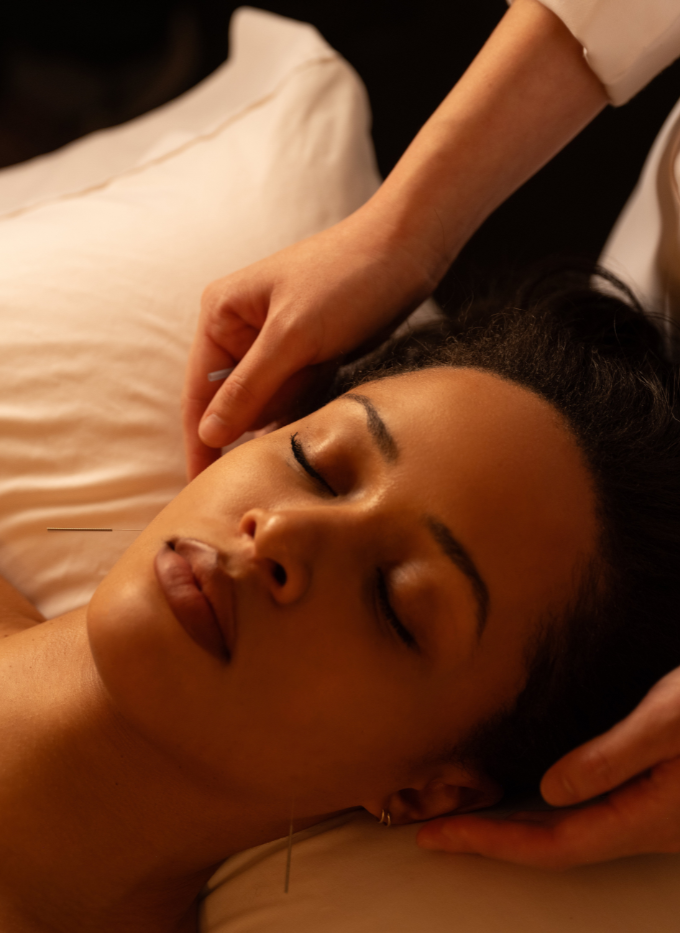
The ORA Method Acupuncture takes a different approach. By supporting the immune system, improving circulation, and regulating the nervous system, acupuncture helps the body respond more calmly to environmental triggers like pollen, dust, and mold.
For many people, this means fewer symptoms, and a more manageable allergy season.
How Acupuncture Helps with Seasonal Allergies
In Traditional Chinese Medicine, seasonal allergies are often connected to the body’s protective energy, sometimes referred to as Wei Qi.
When this protective system is strong, the body can respond appropriately to allergens. But when it’s weakness, often due to stress, poor sleep, or lifestyle habits, the immune system may overreact to things like pollen or dust.
Acupuncture helps restore balance by:
-
Supporting the immune system
-
Reducing inflammation
-
Improving sinus drainage
-
Regulating the nervous system
-
Strengthening overall resilience during seasonal transitions
Rather than only treating symptoms, acupuncture works to support the body so allergy season becomes easier to navigate year after year.
For best results, many practitioners recommend starting treatments before allergy symptoms peak.

Lifestyle Tips to Support the Body During Allergy Season
Small lifestyle habits can also make a meaningful difference during allergy season.
Prioritize sleep
Your immune system does much of its restorative work while you sleep. Getting consistent, high-quality rest helps regulate inflammation and improves the body’s ability to respond to allergens.
Support circulation with movement
Gentle movement like walking, yoga, or stretching helps stimulate circulation and lymphatic flow, which supports immune health and helps the body clear inflammation.
Reduce inflammatory foods
Limiting excess sugar, fried foods, and heavy dairy during peak allergy season can help reduce inflammation and mucus production for some people.
Use steam to open the sinuses
Warm showers or facial steaming can help loosen congestion and encourage sinus drainage.
Support lymphatic drainage
Allergies can slow lymphatic flow in the face, leading to puffiness around the eyes and sinuses. Gentle facial massage or gua sha can help move fluid and relieve pressure.
Acupressure for Sinus Relief
When sinus pressure and congestion build during allergy season, gentle acupressure can help open the nasal passages, support circulation, and encourage lymphatic drainage.
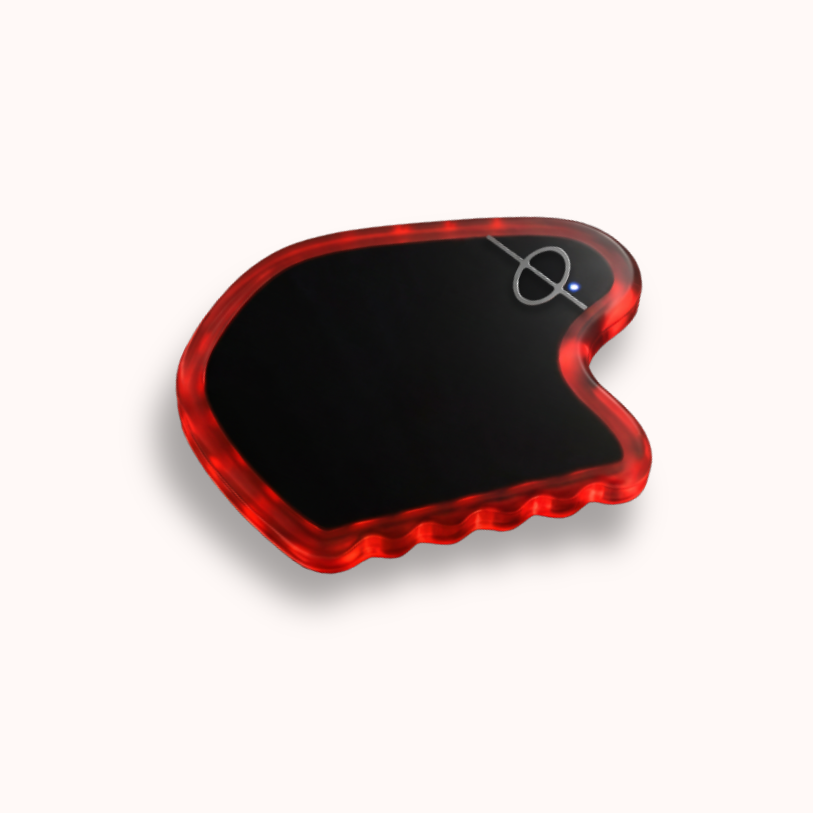
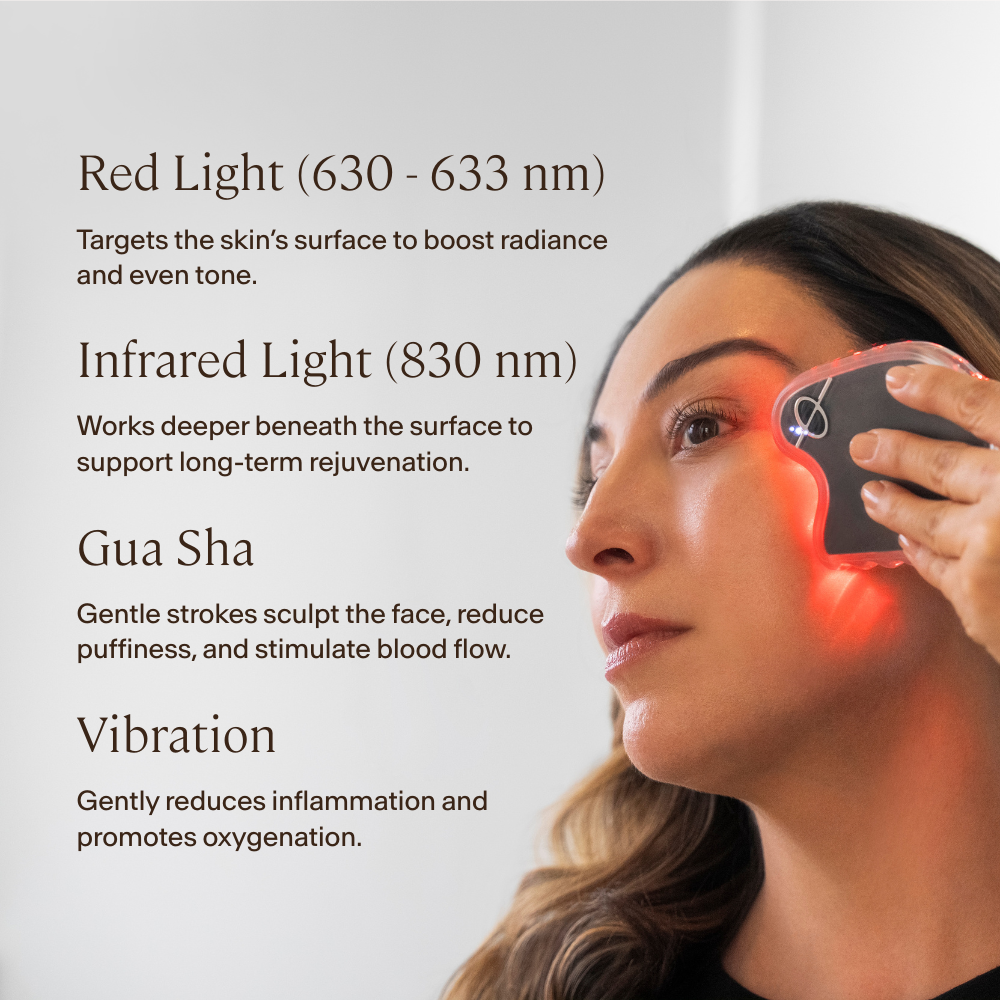
You can stimulate these points with your fingers or incorporate them into your routine using the ORA LED Gua Sha, which combines sculpting massage with red light therapy to help reduce inflammation and support circulation.
- LI 20, beside the nose — Helps open nasal passages and relieve congestion.
- Bi Tong, above the nasolabial fold — Supports sinus drainage and relieves pressure in the nose.
- LI 4, between the thumb and index finger — Helps reduce inflammation and support immune response.
- Yin Tang, between the eyebrows — Calms the nervous system while relieving sinus pressure and facial tension.
Using the ORA LED Gua Sha, gently glide over these areas or hold the tool on each point for 20–30 seconds while taking slow, deep breaths. The combination of acupressure, massage, and red light can help reduce puffiness and encourage the sinuses to open.
The ORA Method for Allergy Support
At ORA, acupuncture is often combined with complementary therapies like Red Light Therapy and meditation to further support the nervous system and the body’s natural healing response.
Together, these therapies help regulate inflammation, support circulation, and promote overall balance, so you can breathe easier during allergy season.